Walk into any Starbucks in the world. Then walk into your local independent coffee shop. They feel different — but if you study them carefully enough, you will notice that the major chains share an almost identical spatial grammar. The ordering counter is always near the door. The pick-up point is always at the far end of that counter. Seating is clustered in specific zones. This is not coincidence. It is engineering.
The formula was developed over decades of operational research and refined through thousands of locations. Every element exists to solve a specific problem: dwell time, throughput, upsell rate, and the perception of quality. Each of these variables is measurable. Each can be optimised. The resulting floor plan is a physical algorithm.
The Counter Is a Conveyor Belt
The moment you cross the threshold of a chain coffee shop, you enter a one-way system. The layout channels you from the menu board — positioned so you read it while you queue — to the ordering point, then naturally to the wait area. You are never required to turn around. This directionality is intentional: reversals create social friction, slow queue throughput, and increase perceived wait time.
Key Takeaways
- The standard chain coffee shop layout is a replicable spatial algorithm, not an aesthetic choice.
- Directional flow from door to pick-up reduces friction and increases throughput without adding staff.
- Furniture placement is calibrated against dwell time, table turnover, and upsell probability.
- Scent is actively managed as atmospheric infrastructure, not a by-product of the kitchen.
- Independent shops that outperform chains typically copy one or more elements of this formula unconsciously.
The distance from the door to the counter is carefully calibrated too. Too short and customers feel rushed before they have decided. Too long and they begin to feel the queue before they reach it. The sweet spot — roughly six to eight body-lengths — gives the average customer precisely enough time to scan the menu board twice.
The Furniture Does the Upselling
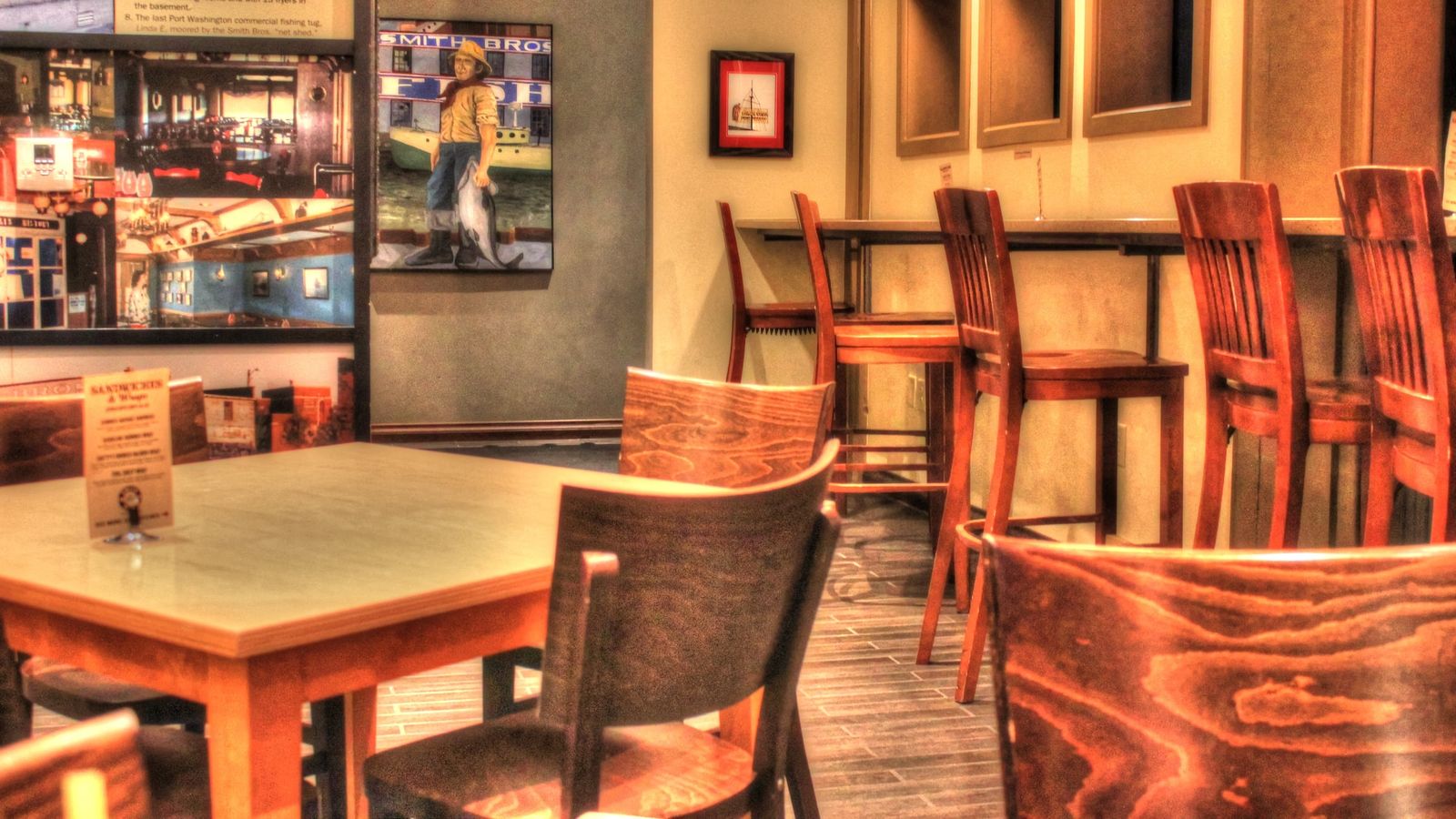
Here is a less obvious truth: the seating arrangement is a sales tool. High stools at window bars face outward, encouraging solo customers to linger but not occupy a full table. Low armchairs near the back are deliberately comfortable — they anchor small groups for long stays and maximise the probability of a second purchase. Four-top tables positioned in the centre of the room feel exposed; they are filled last and vacated fastest.
Chains do not place furniture randomly. They run heat-map analysis on which zones fill first on busy mornings, which seats are avoided on quiet afternoons, and how furniture configuration affects average spend per visit. The layout you see is the output of thousands of hours of observation.
The Smell Is Infrastructure
Scent is perhaps the most underestimated lever in the formula. Every major chain positions its espresso machine in a specific relationship to the ventilation system. The grinder is always in an open, low barrier position rather than hidden behind a wall. The pastry case is kept at ambient — not refrigerated — temperature, which maximises the diffusion of baked-good aroma.
These are not accidents of kitchen logistics. They are deliberate atmospheric choices backed by sensory marketing research. The smell of freshly ground coffee triggers a specific anticipatory response in the brain — it is a cue that shortens perceived wait time by measurably reducing impatience.
Key Takeaways
- The standard chain coffee shop layout is a replicable spatial algorithm, not an aesthetic choice.
- Directional flow from door to pick-up reduces friction and increases throughput without adding staff.
- Furniture placement is calibrated against dwell time, table turnover, and upsell probability.
- Scent is actively managed as atmospheric infrastructure, not a by-product of the kitchen.
- Independent shops that outperform chains typically copy one or more elements of this formula unconsciously.

Simon Whistler
Simon Whistler is one of YouTube's most prolific educational creators. The Formula is his systematic investigation into the hidden rules, mechanisms, and patterns that govern how the world actually works.